
Virtual Gold & Silver in India: How AUAGMetallic Is Making Precious Metals MoreAccessible
October 7, 2026Gold & Silver Outlook for Dhanteras & Diwali 2026: What Is Driving Precious Metal Prices in India?

Understanding the factors influencing gold and silver prices during India's festive season in 2026.
Introduction
As India approaches Dhanteras and Diwali 2026, gold and silver are once again at the centre of festive purchases, financial planning and investment discussions. Traditionally associated with prosperity, wealth and auspicious beginnings, these precious metals continue to hold an important place in Indian households.
However, the gold and silver market in 2026 is being influenced by more than seasonal demand. Global economic uncertainty, international interest rates, currency fluctuations, import duties and changing investment preferences are shaping precious metal prices across India.
For buyers and investors, understanding these developments is essential before making a festive purchase.
With over five decades of experience in precious metal refining, testing and assaying, Shree Ambica Touch examines the key market factors influencing the gold and silver outlook for Dhanteras and Diwali 2026.
1. Gold and Silver Prices in India: October 2026 Market Overview
The Indian precious metals market has experienced notable price movements throughout 2026. Following a period of elevated prices, gold witnessed a correction in September before trading within a narrower range during October.
According to the World Gold Council's India market update published on October 20, 2026, domestic gold prices declined approximately 4.8% during September, while international gold prices fell 8.5% over the same period.
The report also highlighted that seasonal demand was beginning to strengthen as the festive and wedding seasons approached.
Latest gold and silver rates in India
The following table presents the India Bullion and Jewellers Association (IBJA) benchmark rates for October 21, 2026.
|
Precious Metal |
Purity |
Benchmark Price |
|---|---|---|
|
Gold |
999 (24K) |
₹1,44,105 / 10 grams |
|
Gold |
916 (22K) |
₹1,32,000 / 10 grams |
|
Gold |
750 (18K) |
₹1,08,079 / 10 grams |
|
Silver |
999 |
₹2,06,783 / kg |
These figures illustrate the importance of monitoring market prices rather than relying solely on seasonal expectations.
Although festive demand can support purchases, gold and silver prices do not necessarily increase throughout the festival period. Global developments can influence prices even when domestic demand is improving.
This is the heading
2. What Is Driving Gold Prices in India in 2026?
Gold prices in India are determined by several interconnected domestic and international factors. Understanding these influences provides a clearer perspective on possible price movements during Dhanteras and Diwali.
Global economic uncertainty and safe-haven demand
Gold is widely recognised as a safe-haven asset, particularly during periods of financial instability.
When investors become concerned about inflation, geopolitical tensions, currency movements or economic growth, demand for gold may increase as they seek to diversify their portfolios.
However, gold does not rise during every uncertain period. Short-term price movements also depend on liquidity, investor positioning and broader financial market conditions.
US Federal Reserve policies and interest rates
International interest rates play a significant role in determining gold prices.
Since physical gold does not generate interest income, higher bond yields can make interest-bearing investments comparatively attractive.
Conversely, expectations of lower interest rates may improve gold's relative appeal.
For the Diwali 2026 gold price outlook, changes in US monetary policy and Treasury yields remain important indicators.
US dollar and Indian rupee movements
International gold is primarily priced in US dollars, while Indian consumers purchase it in rupees.
Consequently, the USD/INR exchange rate directly influences domestic gold prices.
For example, even if international gold prices remain unchanged, a weaker Indian rupee can make imported gold more expensive in India.
This relationship explains why domestic and international gold prices do not always move by identical percentages.
Import duties and domestic market premiums
India relies heavily on imported gold to meet domestic demand.
Changes in import duties, taxation, logistics costs and local premiums can affect the final price paid by Indian buyers.
These factors become particularly relevant during festive periods when physical gold purchases traditionally increase.
In 2026, import policy changes have also contributed to the market environment.
3. Silver Price Outlook for Diwali 2026: Why Is Silver Gaining Attention?
While gold traditionally dominates festive purchasing, silver continues to attract attention from investors, industrial consumers and households.
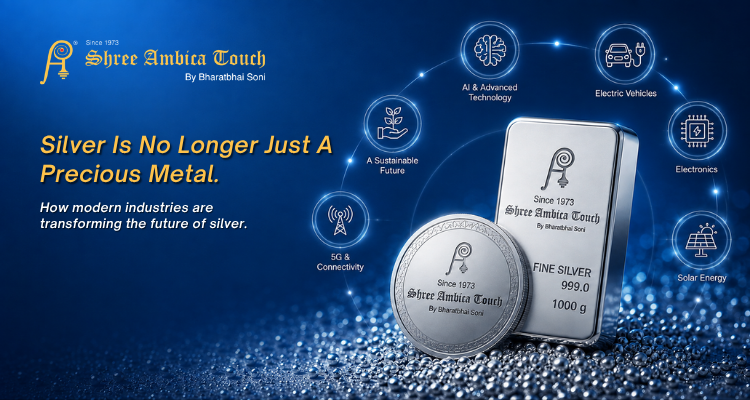
Unlike gold, silver has substantial industrial applications alongside its investment and decorative uses.
This gives silver a distinct market structure, with prices influenced by both investment sentiment and manufacturing activity.
Industrial demand for silver
Silver is used across several industries, including:
-
Solar photovoltaic technology
-
Electronics and electrical components
-
Automotive applications
-
Industrial equipment and specialised manufacturing
Demand from these industries can influence silver prices independently of traditional jewellery or investment demand.
Investment and festive demand
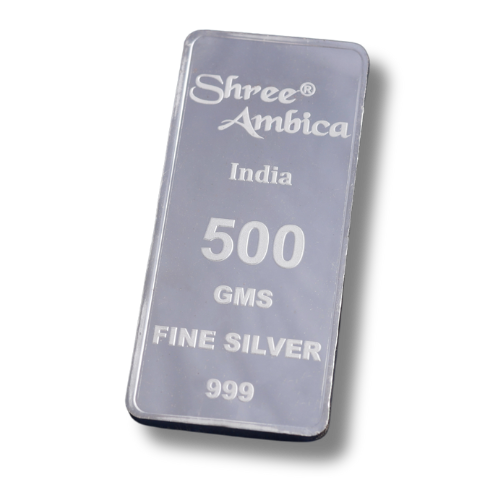
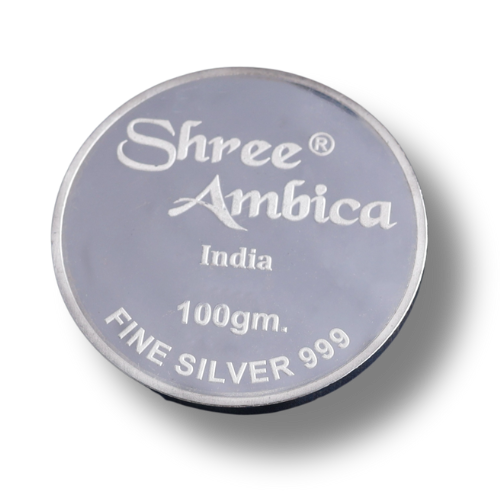
Silver coins, bars and other bullion products remain popular during Dhanteras and Diwali.
For buyers looking to purchase precious metals at a lower price per gram than gold, silver offers an alternative.
However, silver prices can experience sharper percentage movements than gold, making market awareness particularly important.
Silver price volatility
Silver's comparatively smaller market and exposure to industrial demand can contribute to pronounced price fluctuations.
Economic slowdowns may weaken expectations for industrial consumption, while improving manufacturing activity can strengthen demand.
Therefore, the silver price outlook for Diwali 2026 depends on global economic conditions, industrial activity, investment flows and domestic festive purchases.
4. How Dhanteras and Diwali Influence Gold and Silver Demand
Dhanteras is traditionally considered an auspicious occasion for purchasing gold, silver and other valuable assets.
For generations, Indian households have associated precious metal purchases with prosperity, financial security and long-term value.
During the festive season, demand generally comes from three important categories.
Household and jewellery purchases: Families purchase gold and silver jewellery for festive celebrations, weddings and traditional occasions.
Bullion purchases: Gold and silver coins and bars attract buyers seeking standardised precious metal products.
Investment-oriented purchases: Investors may increase their exposure to precious metals as part of a diversified financial strategy.
The World Gold Council's October 2026 update noted improving seasonal demand, supported by the earlier decline in gold prices. However, it also cautioned that elevated price levels could continue to restrict growth in the physical quantity of jewellery purchased.
This distinction is important: higher spending on gold does not necessarily mean that consumers are purchasing more gold by weight.
5. Gold vs Silver: Which Precious Metal Should Buyers Consider During Diwali 2026?
Gold and silver serve different purposes, and their suitability depends on individual purchasing objectives, budgets and risk preferences.
Gold may appeal to buyers prioritising established investment demand and compact physical storage, while silver may interest those seeking exposure to both precious metal investment and industrial demand.
A purchase decision should consider price, purity, liquidity, holding period and the overall investment objective.
6. Understanding Gold and Silver Purity Before Buying
During Dhanteras and Diwali, buyers often focus primarily on market prices. However, purity is equally important in determining the actual value of a precious metal product.
Gold purity explained
Gold purity is commonly expressed in karats or fineness.
|
Gold Category |
Approximate Gold Content |
Common Application |
|---|---|---|
|
24K / 999 |
99.9% |
Bullion bars and coins |
|
22K / 916 |
91.6% |
Traditional jewellery |
|
18K / 750 |
75.0% |
Jewellery and gemstone settings |
|
14K / 585 |
58.5% |
Jewellery |
Comparing benchmark rates with actual quotations is particularly useful when purchasing physical gold or silver.
Buyers should also confirm whether the quoted price includes applicable taxes, premiums and making charges.
7. Why Accurate Testing and Assaying Matter in Precious Metalsc
As gold and silver prices fluctuate, accurate purity assessment becomes increasingly important for jewellers, bullion dealers, refiners and individual sellers.
Even a small difference in assessed purity can affect the monetary value of a transaction, particularly when dealing with larger quantities.
For example, consider 100 grams of gold-bearing material:
|
Assessed Purity |
Fine Gold Content |
|---|---|
|
99.9% |
99.9 grams |
|
99.5% |
99.5 grams |
|
99.0% |
99.0 grams |
|
98.0% |
98.0 grams |
The difference between 99.9% and 99.0% purity amounts to 0.9 grams of fine gold per 100 grams of material.
At an illustrative fine-gold value of ₹14,410 per gram, that difference represents approximately ₹12,969 in metal value, before commercial adjustments.
This demonstrates why dependable testing and transparent purity assessment are essential.
The role of professional precious metal refineries
Professional precious metal refineries and assaying facilities support the bullion ecosystem through services such as metal testing, purity determination and refining.
Since 1973, Shree Ambica Touch has been associated with the precious metals industry, providing expertise in gold and silver testing, assaying and refining.
Its focus on accurate assessment and established processes supports businesses where purity, precision and reliability are central to commercial transactions.
8. What Should Buyers Watch Before Dhanteras and Diwali 2026?
As the festive season approaches, buyers should consider several market indicators rather than making decisions based on price predictions alone.
|
Market Indicator |
Why It Matters |
|---|---|
|
International gold prices |
Influence the underlying value of gold in India |
|
USD/INR exchange rate |
Affects the rupee cost of imported precious metals |
|
Global interest rates |
Influence investment demand and gold's opportunity cost |
|
Domestic festive demand |
Can affect local premiums and physical purchases |
|
Industrial silver demand |
Influences the supply-demand balance for silver |
|
Import duties and taxes |
Affect domestic pricing |
|
Purity and certification |
Determine fine metal content and transaction transparency |
Comparing benchmark rates with actual quotations is particularly useful when purchasing physical gold or silver.
Buyers should also confirm whether the quoted price includes applicable taxes, premiums and making charges.
9. Gold and Silver Price Outlook: What Can We Expect During Diwali 2026?
The near-term outlook for gold and silver remains dependent on several competing influences.
On one hand, India's festive and wedding seasons provide a supportive environment for physical precious metal demand.
On the other, global interest rates, currency movements and broader financial market conditions can create short-term volatility.
The World Gold Council's October 20 market assessment identified improving seasonal demand while acknowledging that elevated gold prices could continue to limit purchase volumes.
For gold, international monetary policy, investment flows and rupee movements remain important considerations.
For silver, industrial demand and investment sentiment add another layer of uncertainty.
Rather than assuming that prices will rise or fall during Diwali, buyers should evaluate current market conditions, compare quotations and prioritise verified purity.
The key takeaway for Dhanteras and Diwali 2026 is that informed purchasing matters more than attempting to predict the exact market bottom.
10. Shree Ambica Touch: A Legacy of Precision Since 1973
In the precious metals industry, trust is built through consistency, technical knowledge and transparent processes.
With a legacy dating back to 1973, Shree Ambica Touch continues to serve the gold and silver industry through its expertise in precious metal testing, assaying and refining.
As market prices evolve and purity becomes increasingly important to commercial transactions, dependable technical assessment remains essential.
For jewellers, bullion businesses and precious metal sellers, understanding the actual metal content is fundamental to accurate valuation.
Shree Ambica Touch remains committed to maintaining that focus on precision and reliability.
Dhanteras and Diwali represent more than traditional purchasing occasions. They are also opportunities to evaluate the role of gold and silver in long-term financial planning.
The gold and silver outlook for Diwali 2026 reflects a combination of festive demand, international economic developments, currency movements and industrial requirements.
Although market conditions may change rapidly, certain fundamentals remain constant: understanding price movements, verifying purity and choosing dependable precious metal service providers.
This festive season, make every precious metal decision with greater clarity, market awareness and confidence.
Shree Ambica Touch | Since 1973
Precision in Purity. Trust Through Generations.