
When Gold Prices Rise, Every Gram Matters More: What Changing Jewellery Demand Means for Jewellers in 2026
August 19, 2026Before Navratri Begins: How India’s Jewellery Industry Prepares for the Festive Gold Rush

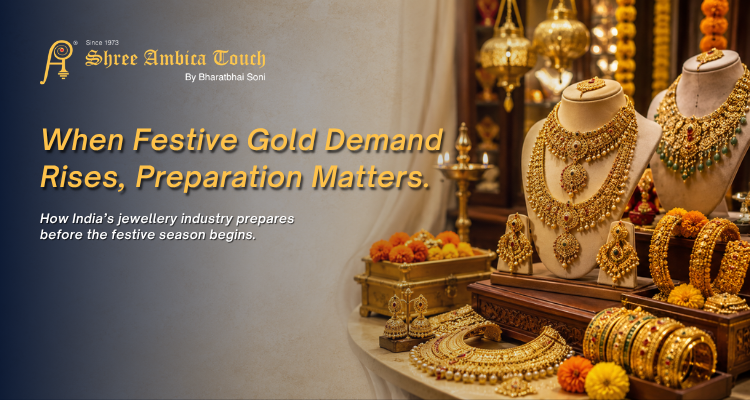
When festive gold demand rises, preparation matters. A look at how India’s jewellery industry prepares through inventory planning, refining, assaying and bullion movement before the festive season.
Introduction
For consumers, the festive gold season begins when jewellery stores unveil new collections and festive buying starts gathering momentum. For the Indian jewellery industry, however, preparation begins much earlier.
Weeks before Navratri, jewellers, manufacturers, bullion dealers, refiners and assaying laboratories begin planning for increased activity. Inventory must be prepared, bullion sourced, old jewellery evaluated, purity verified and refined metal made available for manufacturing.
In 2026, this preparation is particularly relevant because the festive season is arriving alongside elevated gold prices, changing purchase patterns and greater use of old-gold exchange. The industry report also points to strengthening jewellery demand, higher manufacturer orders and inventory replenishment ahead of the festive period.
The Festive Gold Season Starts Before the Showroom
A jewellery retailer cannot wait for festive footfall to increase before arranging stock. Manufacturing, testing and distribution all require lead time.
The festive supply chain broadly moves through these stages:
| Stage | What Happens |
|---|---|
| Demand Planning | Jewellers estimate festive, wedding and regional demand |
| Bullion Procurement | Required gold and silver are sourced |
| Old-Gold Collection | Existing jewellery returns through exchange programmes |
| Assaying | Precious metal is tested for actual purity |
| Refining | Impure or recycled metal is brought to the required standard |
| Manufacturing | Metal is converted into jewellery, bars and coins |
| Distribution | Finished products move to wholesalers and retailers |
| Festive Retail | Customers purchase jewellery and bullion products |
Each stage influences the next. This is why bullion availability, accurate purity testing and dependable refining capacity become increasingly important as festive demand approaches.
Inventory Planning Becomes a Strategic Decision
One of the earliest signs of festive demand is not necessarily higher customer footfall. It is inventory replenishment by jewellers.
Retailers must estimate which categories are likely to perform well, how much lightweight jewellery may be required, regional preferences, wedding-related demand and how customers may respond to prevailing gold prices.
This creates a careful balance. Too little inventory may result in lost festive sales, while excessive inventory can increase working-capital exposure when prices are volatile.
For the jewellery trade, festive preparation is therefore not simply about buying more gold. It is about having the right inventory at the right time.
2026 Gold Market Data Shows Preparations Were Already Underway
The supply chain often reveals festive preparation before it becomes visible in jewellery stores.
According to World Gold Council figures referenced in the Shree Ambica Touch industry report, Indian gold imports rebounded considerably between June and July 2026.
| Indicator | June 2026 | July 2026 | Approx. Change |
|---|---|---|---|
| Gold Import Value | US$1.97 billion | US$4.16 billion | +111% |
| Estimated Import Volume | ~20 tonnes | ~40–45 tonnes | +100% to +125% |
The percentage changes above are calculated from the figures cited in the report.
In practical terms, the estimated volume of imports roughly doubled or more within one month. Combined with higher manufacturer orders, inventory replenishment and old-gold exchange activity, this provides a strong indication of how the trade was positioning itself for upcoming festive demand.
Higher Gold Prices Are Changing Consumer Behaviour
High prices do not necessarily eliminate festive gold demand in India. Instead, customers often adjust the way they buy.
Some may move toward lighter-weight jewellery, smaller gold coins and bars or more occasion-focused purchases. Others may use an existing ornament to partially fund a new purchase through an exchange programme.
The source report notes that while Indian jewellery demand by volume declined year-on-year during Q2 2026, the value of jewellery demand increased, while exchange-led purchases also gained relevance.
For jewellers, this influences product planning. For refiners and assayers, it means more recycled and exchanged gold may return to the precious-metal supply chain.
Old Gold Is Becoming an Important Source of Festive Supply
Old jewellery plays an increasingly significant role in the modern gold ecosystem.
When a customer exchanges jewellery purchased several years ago, the piece cannot simply be converted directly into a new ornament. Its true gold content first needs to be established.
The process generally follows:
Old Jewellery → Purity Testing → Melting → Refining → High-Purity Gold → Manufacturing → New Jewellery
Old jewellery may contain different alloys, solder, impurities or varying levels of fineness. This makes professional gold purity testing and assaying essential before settlement or refining.
The report notes that old-gold exchange remained elevated in 2026 and was helping facilitate fresh jewellery purchases while also contributing to domestic metal availability.
This means India’s festive gold supply does not depend only on newly sourced bullion. Gold already held by households can return to the market, be accurately evaluated, refined and reintroduced into manufacturing.
Why Gold Assaying Matters During High-Demand Periods
Gold may appear identical visually while containing different amounts of pure metal. Assaying determines the actual composition and fineness before commercial decisions are made.
Professional testing may involve Fire Assay, X-Ray Fluorescence (XRF) or Aqua Regia-based analysis, depending on the material and accuracy required.
Accurate results affect settlement values, refining calculations and the amount of usable precious metal recovered.
The scale of this activity is also worth noting:
| Shree Ambica Touch Assaying Data | Detail |
|---|---|
| Fire Assays Performed Annually | 10,000+ |
| Testing Capabilities Mentioned | Fire Assay, XRF, Aqua Regia |
| Assaying Infrastructure | NABL-accredited operations |
| Company Established | 1973 |
According to the report, Shree Ambica Touch performs more than 10,000 fire assays annually alongside advanced testing methods. During high-volume festive periods, dependable assaying capacity becomes particularly important for maintaining accuracy and efficiency.
Refining Brings Precious Metal Back Into Circulation
Once incoming material has been tested, it may need to undergo gold refining.
Old jewellery, manufacturing scrap, residues, mixed precious-metal material and recycled bullion can contain unwanted materials. Refining separates these impurities and brings precious metal back to a defined standard.
Once refined, gold can return to jewellery manufacturing or be converted into bullion bars, coins and other products.
This circularity is one of the most important characteristics of gold. A piece of jewellery may change its design, owner and purpose many times, yet the underlying precious metal can continue to retain value and re-enter the supply chain.
Festive Gold Demand Goes Beyond Jewellery
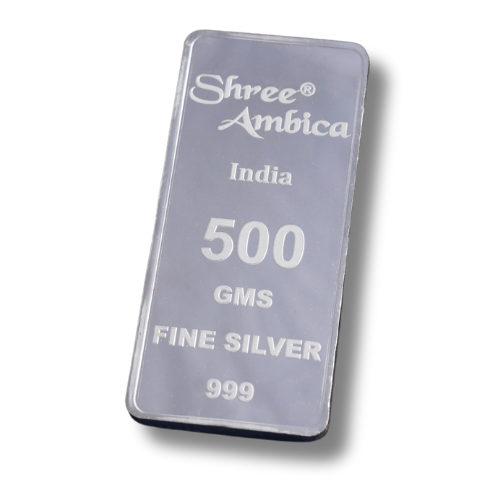
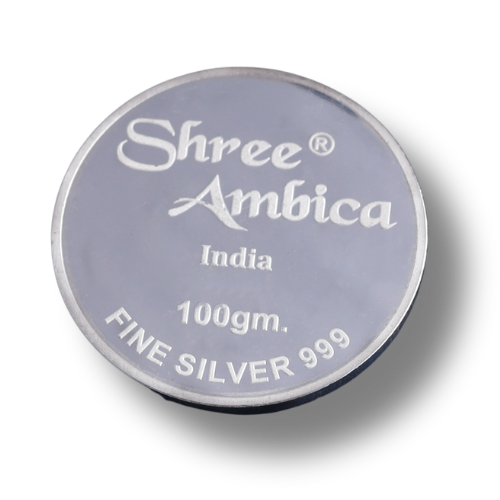
The festive precious-metal market also includes gold and silver coins, bars, customised products and corporate gifting.
Businesses often begin preparing these products well before the festival because customised designs may require approvals, die preparation, minting, quality testing, packaging and bulk fulfilment.
Religious motifs, branded coins, commemorative pieces and multiple weight denominations can all form part of festive demand.
Shree Ambica Touch supports this broader ecosystem through precious-metal refining, assaying, bullion, bar minting and customised gold and silver products.
The Festive Gold Rush Is Really a Supply-Chain Story
What consumers finally see in a jewellery showroom represents only the final stage of a much larger system.
Before that gold reaches the counter, it may have passed through bullion markets, testing laboratories, refineries, manufacturers and logistics networks. Recycled jewellery may have travelled through an equally detailed process of assaying, refining and remanufacturing.
As the Indian jewellery market adapts to higher prices, greater recycling and changing purchase behaviour, reliable gold refining, assaying and bullion supply relationships become increasingly important.
Established in 1973, Shree Ambica Touch has spent more than five decades working across India’s precious-metal ecosystem, supporting jewellers and businesses through assaying, refining, bullion, minting and customised precious-metal products.
Because when festive gold demand finally rises at the showroom, the industry behind it has already been preparing for weeks.