
The 2026 Copper Story: From Industrial Metal to Investment Asset
January 22, 2026
Gold’s Safe-Haven Renaissance: The Strategic Journey of Bullion Amid Tariffs, Geopolitical Tensions & Inflation in 2026
February 26, 2026Is 2026 the Year of Silver? Why Silver Might Outperform Gold This Year

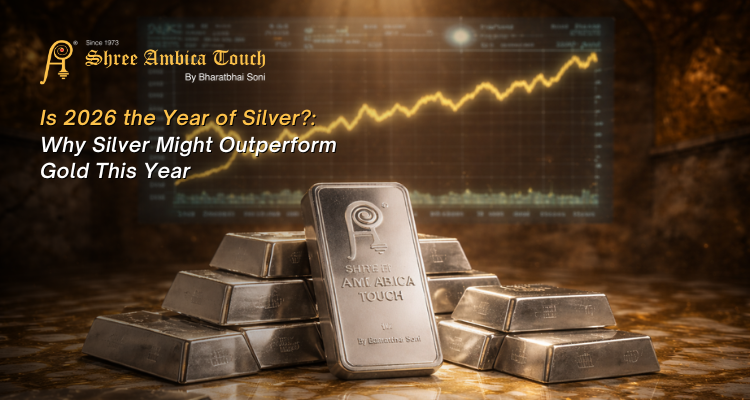
Silver is no longer just a safe-haven metal. With rising industrial demand and strong market momentum, 2026 could mark the year silver steps ahead of gold as a smart investment choice.
Introduction
For decades, gold has been the undisputed leader in the precious metals space, trusted as a hedge against inflation, currency volatility, and global uncertainty. Silver, while always valuable, often remained in the background, seen as more volatile, more industrial, and less prestigious than gold.
However, the global bullion landscape has shifted significantly over the last two years. After a historic rally in 2025, silver has entered 2026 with strong momentum, renewed investor interest, and a fundamentally different demand profile than in previous cycles. With industrial usage expanding rapidly and supply remaining constrained, many analysts believe silver may outperform gold in percentage terms this year.
This blog explores silver’s recent performance, compares it with gold, examines the macro and industrial forces driving prices, and explains why 2026 could be a pivotal year for silver investors.
Silver’s Performance Leading into 2026
Silver delivered one of the strongest commodity performances in 2025, surprising even seasoned market participants. While gold also performed well due to central bank buying and geopolitical tensions, silver’s gains were far more aggressive on a percentage basis.
Metric (2025–Early 2026) |
Silver |
Gold |
| Approx. Annual Gain (2025) | 140–150% | 60–65% |
| Early 2026 Trading Range | ~$75–$120 per ounce | ~$4,500–$5,600 per ounce |
| Market Volatility | High | Moderate |
| Primary Demand | Industrial + Investment | Investment + Jewelry |
Silver’s smaller market size means that even moderate increases in demand can cause outsized price movements. This characteristic has historically made silver more volatile than gold, but also capable of stronger rallies during bullish cycles.
Silver vs Gold: The Core Investment Difference
Gold and silver are often grouped together, but their market dynamics are fundamentally different.
Gold is primarily a monetary and investment asset. Central banks accumulate gold as a reserve asset, and investors turn to it during economic uncertainty. Its demand is relatively stable and less dependent on economic growth.
Silver, on the other hand, has a dual identity. It functions as both a precious metal and a critical industrial raw material. This makes silver more sensitive to economic expansion, technological adoption, and infrastructure investment.
In periods of strong global growth and industrial expansion, silver has historically outperformed gold. In contrast, during severe economic slowdowns, gold tends to hold value more consistently.
Industrial Demand: The Backbone of Silver’s Strength
One of the strongest arguments for silver in 2026 lies in its industrial relevance. More than half of global silver demand now comes from industrial applications, a share that continues to rise.
Silver is essential in:
-
Solar energy due to its superior electrical conductivity
-
Electric vehicles, including batteries, power electronics, and charging infrastructure
-
Consumer electronics, semiconductors, and data centers
-
Medical technology, where silver’s antimicrobial properties are critical
As governments push aggressive clean energy and electrification targets, silver demand has become structural rather than cyclical.
Renewable Energy and the Green Transition
Silver plays a central role in photovoltaic solar panels. Despite ongoing efforts to reduce silver usage per panel, the sheer scale of global solar installations continues to drive total demand higher.
The global push toward renewable energy, supported by government incentives and climate commitments, has transformed silver into a strategic metal. Unlike past cycles, demand is now linked to long-term infrastructure planning rather than short-term industrial fluctuations.
This shift significantly strengthens silver’s long-term price outlook.
Supply Constraints and Persistent Deficits
A major challenge is that nearly 70% of silver production is a by-product of mining other metals such as copper, lead, and zinc. This means silver output cannot easily be increased in response to rising prices.
Additionally:
-
New mining projects face regulatory and environmental hurdles
-
Capital investment in silver mining has lagged demand growth
-
Exchange inventories remain relatively tight
These factors have resulted in consecutive years of supply deficits, supporting higher price levels over time.
Expert Outlook and Price Expectations for 2026
Market forecasts broadly support silver’s strength in 2026, though volatility is expected.
-
Analyst surveys project average silver prices in the $75–$80 per ounce range
-
Some investment banks have highlighted potential upside if industrial demand remains strong
-
Commodity research firms note that silver’s fundamentals remain supportive even after recent corrections
While forecasts vary across institutions, there is broad agreement that silver is unlikely to revert to pre-2024 price levels in the near term.
Why Silver May Outperform Gold in 2026
Silver’s potential outperformance is driven by several factors:
-
Greater exposure to global growth and industrial expansion
-
Rising renewable energy and EV adoption
-
Lower unit price attracting wider retail participation
-
Higher sensitivity to bullish commodity cycles
Gold remains a core safe-haven asset, but silver offers higher growth potential for investors willing to manage volatility.
Risks Investors Should Keep in Mind
Despite its strong outlook, silver is not without risks.
-
Prices can experience sharp corrections
-
Industrial demand may weaken during economic slowdowns
-
Speculative trading can amplify volatility
-
Like gold, silver does not generate income or yield
Silver works best as part of a diversified investment strategy rather than a standalone allocation.
Ways to Invest in Silver
Investors can gain exposure to silver through multiple channels:
-
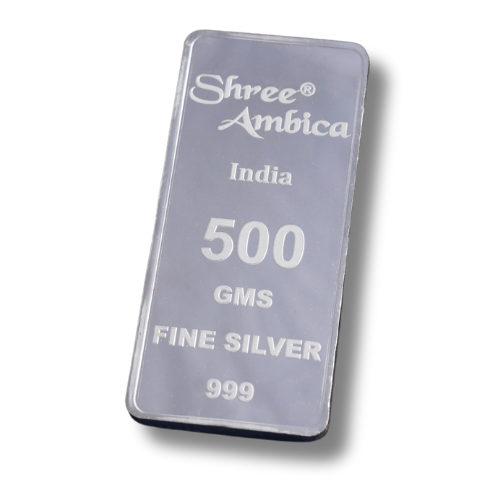
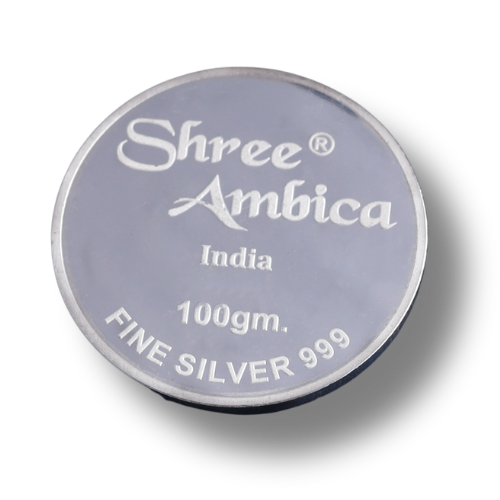
Physical silver bars and coins
-
Exchange-traded funds (ETFs)
-
Silver mining stocks
-
Digital or paper silver instruments
Each option varies in liquidity, cost, and risk profile, and should be chosen based on investment objectives.
Conclusion
2026 could mark a defining chapter for silver. Supported by industrial demand, renewable energy growth, and supply constraints, silver stands in a stronger position than it has in decades. While gold continues to dominate as a stability-focused asset, silver’s growth-linked nature gives it the potential to outperform gold on a percentage basis this year.
For investors who understand volatility and value diversification, silver can play a meaningful role alongside gold in a balanced precious metals portfolio.
Disclaimer
This blog is intended for informational and educational purposes only. Market prices, forecasts, and conditions may change. Any profit or loss resulting from investment decisions remains the responsibility of the investor. The data referenced may vary slightly across sources due to timing and reporting differences.
Sources & References
Information compiled from publicly available reports and data from Reuters, The Silver Institute, Economic Times, Metals Focus, global commodity research firms, and financial market analysts. Data accuracy may differ marginally based on source methodology and market movements.
Related posts
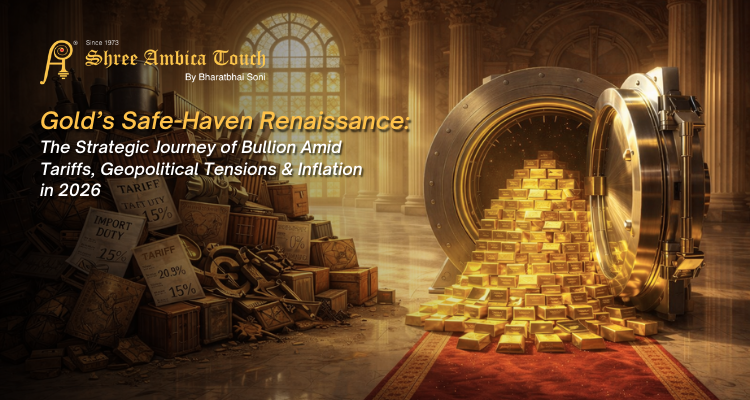
When global trade tightens and inflation rises, capital seeks stability. In 2026, gold is not just a commodity it is a strategic hedge against tariffs, geopolitical volatility, and currency pressure. As uncertainty expands, bullion reclaims its position as the world’s trusted safe-haven asset. Read the full strategic outlook and position your portfolio accordingly.